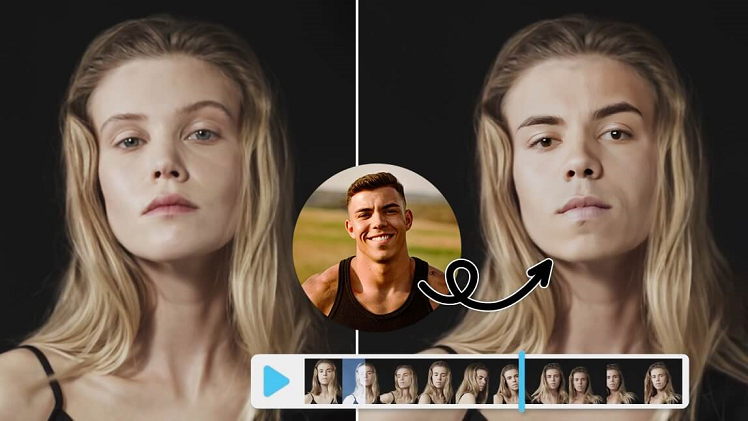
AI-powered creative tools have made it easier than ever to transform photos, create short videos, swap faces, and produce engaging digital content without advanced editing skills. In 2026, creators can choose from a growing range of platforms designed for everything from cinematic video generation to quick social media edits.
The right tool depends on the type of content being created, the quality of its AI models, available editing features, pricing, and how much control users have over the final result.
Best AI Face Swap and Image-to-Video Tools at a Glance
| Tool | Best For | Notable Feature |
| Magic Hour | Face swaps, image-to-video, creative workflows | Multiple AI tools in one platform |
| Runway | Professional AI video creation | Advanced generative video tools |
| Kling AI | Cinematic AI videos | Detailed motion generation |
| Pika | Social and creative video effects | Fast AI-powered effects |
| Hedra | Talking characters and avatars | Character-focused video creation |
| HeyGen | AI presenters and avatars | Presenter and business videos |
| PixVerse | Short-form creative videos | Templates and visual effects |
1. Magic Hour
Magic Hour is a versatile AI creative platform that combines image generation, video creation, face swapping, lip sync, talking photos, image editing, and other tools in one place. This makes it useful for creators who regularly move between different types of digital content.
For users searching for free face swap online tools, Magic Hour provides an easy way to experiment with AI face-swapping without immediately committing to a paid subscription. The platform can be tried without signing up, allowing users to test its creative tools before deciding whether they need a larger plan.
Its image-to-video capability is another major attraction. With Magic Hour image to video, creators can start with a still image and turn it into an animated sequence without relying on traditional keyframe-based editing. This can be useful for social media posts, visual storytelling, promotional concepts, character content, and short-form videos.
Magic Hour also brings several AI models together in one platform rather than requiring creators to constantly move between different services ai face swap Users can experiment with different models and workflows depending on the type of image or video they want to produce.
One of the platform’s notable differences is its focus on connected workflows. Instead of treating every task as a completely separate process, creators can combine steps such as generating an image, upscaling it, and turning it into video. Click-to-create templates can also make common creative tasks faster.
Another advantage is the ability to generate multiple variations and takes. This is particularly useful with generative AI because the first result is not always the one a creator wants to publish. Having the ability to experiment with several outputs makes it easier to compare different creative directions.
Magic Hour’s pricing also gives users several levels of access. The Free plan provides an entry point for trying the platform, while the Creator plan costs $19 per month or $12 per month when billed annually. The Pro plan costs $39 per month, while higher-level options are available for users with larger requirements. Credits do not expire, which can be useful for creators who do not use their entire allowance every month.
The platform also emphasizes access to newer AI models, frequent feature releases, parallel generations, and workflows designed for both desktop and mobile use. For teams or developers, API access provides another way to incorporate its creative capabilities into larger workflows.
Overall, Magic Hour is particularly relevant to creators who need several AI capabilities rather than a single image or video function.
2. Runway
Runway is widely recognized for its focus on generative video and AI-assisted creative production. Its tools allow creators to work with text, images, and video to develop more sophisticated visual sequences.
It is particularly relevant for filmmakers, designers, advertisers, and creators experimenting with cinematic concepts. Image-to-video generation can help transform a static scene into a moving shot, while other tools support broader AI video workflows.
Runway’s professional orientation can make it attractive for more complex projects, although users should consider generation limits and credit consumption when planning larger batches of content.
3. Kling AI
Kling AI is another popular choice for AI-generated video, particularly when creators want to animate still images or create cinematic sequences from text prompts.
Its image-to-video workflow can add movement and visual dynamics to a static image. The quality of the starting image matters, however, because subjects that are clearly defined and well composed tend to give generative models more useful information.
Kling can be useful for concept videos, social media clips, visual storytelling, and cinematic experiments where movement is an important part of the final result.
4. Pika
Pika focuses on accessible AI video creation and creative visual effects. Its approach makes it suitable for creators who want to produce short, engaging videos without spending hours learning traditional editing software.
The platform is particularly relevant to social media creators experimenting with effects and transformations. Users can start with visual content and apply AI-powered changes to create something substantially different from the original.
Its relatively straightforward workflow makes Pika useful for quick experiments, especially when the goal is creative variety rather than a conventional long-form production.
5. Hedra
Hedra focuses heavily on AI characters, talking images, and character-driven video. Rather than simply animating a still image, its tools are designed around creating subjects that can communicate and perform.
This makes it relevant for storytelling, educational content, social media characters, and digital presenters. Creators can use this type of workflow when the personality and actions of a character are central to the content.
Hedra is therefore somewhat different from general-purpose image-to-video platforms. Its value comes primarily from its character-oriented approach.
6. HeyGen
HeyGen is focused on AI avatars and presenter-style video creation. Users can create videos from scripts featuring digital presenters, making the platform especially relevant to businesses and organizations.
Common applications include training videos, product explanations, marketing material, educational content, and multilingual communications.
Instead of concentrating primarily on visual experimentation, HeyGen is designed around repeatable presenter workflows. This can be useful for businesses that need to produce similar types of videos regularly.
7. PixVerse
PixVerse is designed for AI-powered video creation, with a strong emphasis on short-form content and creative effects. It provides another option for creators who want to turn ideas or still images into dynamic video clips.
Its templates and effects can be useful for social media creators looking to experiment with different visual styles. The platform is also suitable for quick creative projects where traditional video production would take considerably longer.
As with other generative video tools, the final result can depend heavily on the source image, prompt, and selected generation settings.
How to Choose an AI Face Swap or Video Tool
The most suitable platform depends on the type of content being produced.
Creators who primarily need AI presenters may prefer an avatar-focused service such as HeyGen. Those interested in character-based videos may find Hedra more relevant, while cinematic video experimentation can be approached with tools such as Runway or Kling AI.
For creators who want several capabilities in one workflow, Magic Hour offers a broader combination of face swapping, image-to-video, lip sync, talking photos, image generation, and editing.
Pricing should also be considered before beginning a larger project. Generative video can require substantial credits when users create multiple variations, so a platform’s free allowance, monthly credits, rollover policy, and generation limits can make a meaningful difference.
Final Thoughts
AI-powered image and video creation has become a practical part of digital content production. Instead of relying entirely on traditional editing software, creators can now transform still images, experiment with face swaps, animate characters, generate video, and create social content through ai face swap assisted workflows.
Magic Hour is particularly notable because it combines several of these functions in one platform. Its face swap, image-to-video, lip sync, talking photo, image generation, and editing capabilities give creators room to experiment across different formats. Its free access, non-expiring credits, model variety, templates, and paid plans provide different options depending on how frequently someone creates AI content.
The best way to evaluate these tools is to test them with the type of content you actually plan to produce. Image quality, motion requirements, generation speed, available models, editing controls, pricing, and export requirements can all affect which platform fits a particular workflow.
